Review Replays Like You're Building a Case Against Yourself

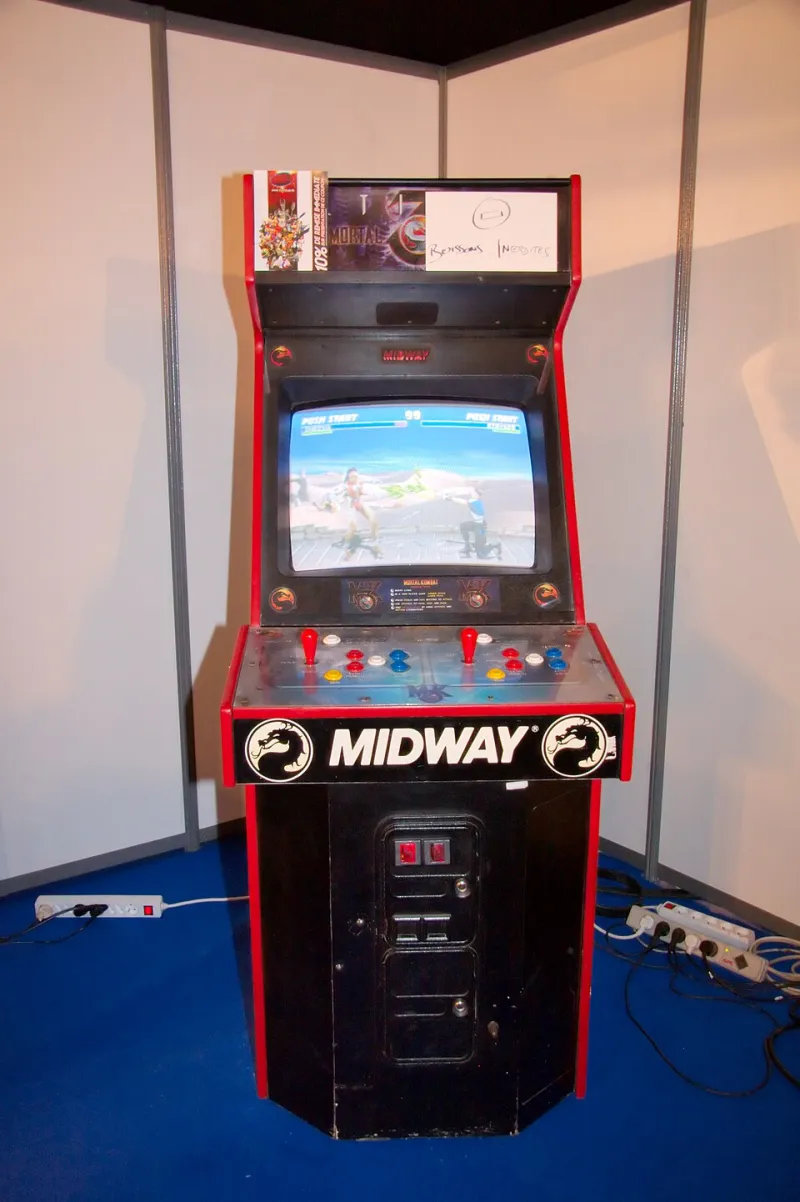
Photo: Official GDC, CC BY 2.0, via Wikimedia Commons
Most players watch replays to feel something. They watch the win and remember the good combo. They watch the loss and groan at the lag, the bad matchup, or the one dropped input. That is not review. That is theater.
If you want to find the mistakes you cannot feel in the moment, you need to watch like you are building a case against yourself. Not because you are bad. Because your habits are invisible while you are playing. The replay is the evidence.
The Three-Pass System
Do not watch a match once and call it review. Watch it three times with three different jobs.
Pass One: Neutral Decisions Only
Turn off the part of your brain that cares about damage. Watch only the first decision after each neutral reset. Did you walk? Jump? Dash? Press a button? Give up space?
Write down three patterns. 'I jump when I am nervous.' 'I walk forward after every blocked projectile.' 'I press a long-range normal when I should be patient.'
Do not write 'I need to play better.' That is not evidence. Write what you actually did.
Convert it to a drill: If you jump too much, set the AI to anti-air you. Practice grounded approach for ten minutes. If you walk into range without a plan, practice stopping at the edge of your opponent's threat range.
Pass Two: Defensive Habits Only
Watch the match again with the sound off. Only watch what happens when you are blocking or getting hit. Count the panic blocks. Count the times you hold block in neutral. Count the late throw techs. Count the wakeup buttons.
You are not judging yourself. You are collecting data. The goal is to find the habit that shows up in every loss, not the one mistake that made a highlight reel.
Convert it to a drill: If you panic block on wakeup, record a meaty and practice three responses. If you get thrown in the corner, practice teching and backdashing. If you always block low, set the AI to overhead.
Pass Three: Resource Use Only
Now watch only the meter bars and kameo meter. Ignore the fight. Ask: did I spend meter with a purpose, or did I spend it because I was scared? Did I use my kameo as a combo extension when I needed it for defense? Did I hold breaker all game and never use it? Did I burn everything on a combo that did not close the round?
Resource mistakes are easy to miss in real time because they feel proactive. In review, they are obvious.
Convert it to a drill: If you waste breaker, practice saving it until you are in a real kill sequence. If you never use kameo meter defensively, set the AI to pressure you and practice using the assist to escape. If you burn meter on unsafe pressure, practice hit-confirming before you spend.
Build a Case File
Make a simple sheet with three columns: Pattern, Evidence, Drill. One page per session. Do not write an essay. Write bullets.
Example: 'Pattern: I hold block at mid-range. Evidence: three times in round one. Drill: walk-block for two minutes before every set.'
That is it. The case file is not a diary. It is a list of things to test.
Sentence Yourself to One Drill
The biggest mistake after review is trying to fix everything at once. You will leave the lab with ten notes and improve none of them. Pick one pattern. One drill. One week.
If you fix one habit per week, you will fix fifty-two habits in a year. If you try to fix ten per session, you will fix zero.
Make It Repeatable
Review should take fifteen minutes after a set. Three passes, five minutes each. Then one drill. That is the whole system.
You do not need a coach to tell you what is wrong. You need to stop protecting yourself from the evidence. Watch like a hater. Take notes like a lawyer. Drill like a professional. The mistakes you cannot feel will show up on the tape.