Thirty Years of Blood and Brackets: Why No Game Owns the FGC Like Mortal Kombat
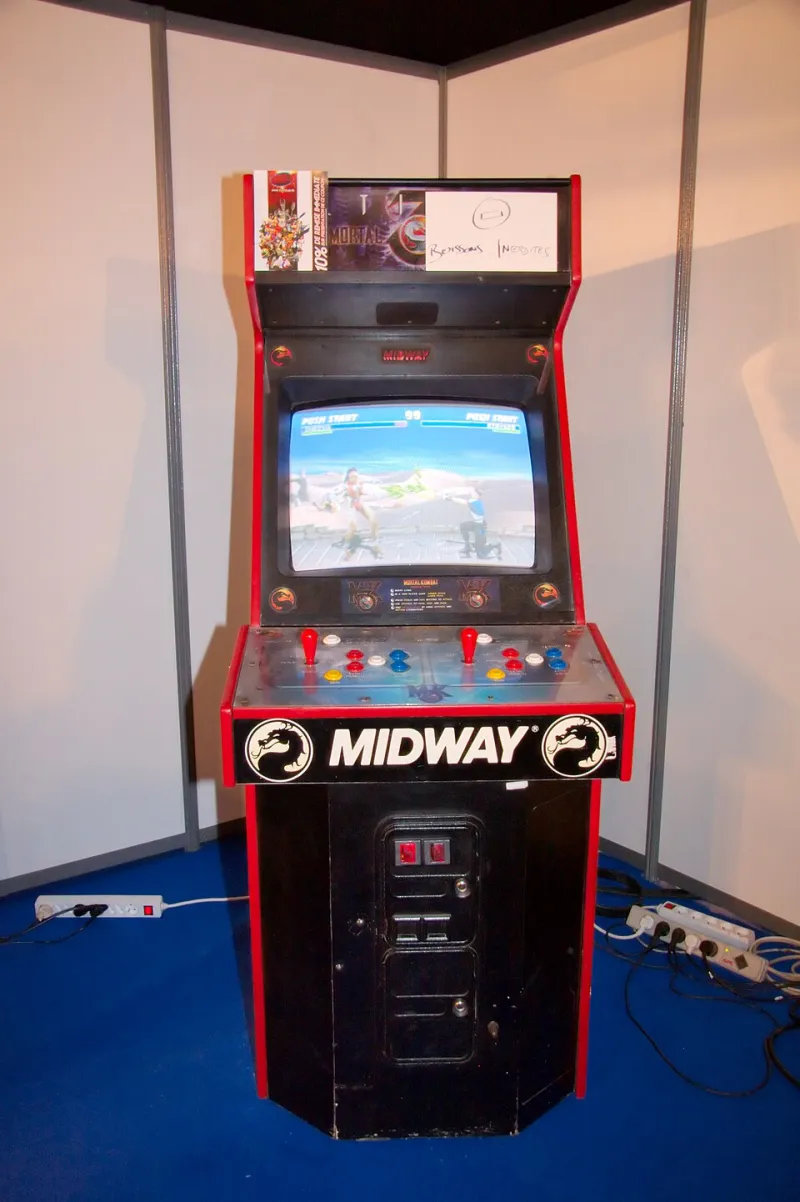
Photo: Hariboneagle927, CC BY-SA 3.0, via Wikimedia Commons
Every fighting game community thinks theirs is special. Mortal Kombat fans actually have a case.
Thirty years in, MK has survived arcade extinction, console wars, mid-series identity crises, and more rating-board controversies than any franchise should reasonably survive. And through all of it, it built something the rest of the FGC can't quite copy: a competitive culture that's equal parts bloodsport and family reunion.
The Arcade Era: controversy Was the Marketing
Let's be honest about how MK broke through. The fatalities got the headlines, the congressional hearings, the ratings system. Parents' groups hated it, and every thirteen-year-old in America took that as a personal invitation.
But here's the part the nostalgia gets wrong: underneath the gore was a genuinely deep competitive game. The arcade scene around MK1 and MK2 was real — real rivalries, real money matches, real regional styles. The cabinet was a spectacle, but the game underneath it rewarded mastery, and the players who stuck around discovered that before the mainstream ever took the series seriously as a competitive title.
The Dark Years and the Rebirth
Nobody's putting Midway's later era on a pedestal. The mid-2000s were rough — the series drifted, the competitive scene shrank to diehards, and Street Fighter's renaissance left MK on the outside of the FGC's biggest moment.
Then 2011 happened. MK9 wasn't just a reboot; it was a competitive re-entrance. Suddenly MK was on EVO main stages, and players like Justin Wong and REO were proving the game had legs. MKX and MK11 kept the momentum, each one refining the formula — better netplay, deeper systems, a bigger competitive payout structure. Whatever you think of individual entries, the trajectory is undeniable: MK went from FGC punchline to FGC pillar in a decade.
What Makes MK Culture Different
Here's my genuinely held opinion: no community blends casual and competitive like MK does.
Street Fighter culture can be insular. Tekken culture can be intimidating. MK culture throws the doors open. The franchise's mainstream recognition means your bracket at a local has everyone from a seasoned pro to a guy who came because he played MK2 at a pizza place in 1994. That mix changes the room. It makes MK locals louder, weirder, and honestly more fun than almost anything else in the scene.
And the series' storytelling DNA — the lore, the cinematics, the characters people actually know — gives new players an emotional on-ramp no other fighter has. People don't come to MK to learn footsies. They come to play as Scorpion. Then they stay and learn footsies. That funnel is a competitive pipeline the rest of the genre would kill for.
Where It Goes Next
The future questions are real. Platform fighters and anime games are pulling younger players. Netplay expectations keep rising. The FGC's post-pandemic landscape is more fragmented than ever.
But MK has one structural advantage nobody can nerf: it's the fighting game that people who don't play fighting games have heard of. Every new entry pulls in a wave of players no marketing budget could buy, and a percentage of them always convert into grinders. As long as NetherRealm keeps shipping games that respect competitive play — rollback, robust systems, real tournament support — the scene rebuilds itself with every release.
Thirty years of blood, brackets, and pizza-arcade memories later, the franchise isn't just part of the FGC. In a very real sense, it helped build the thing. And if the last three decades taught us anything, it's this: never count Mortal Kombat out. Finish him? Nah. This series never stays down.