Your Scene Has a Meta: Write the Scouting Report Before You Enter
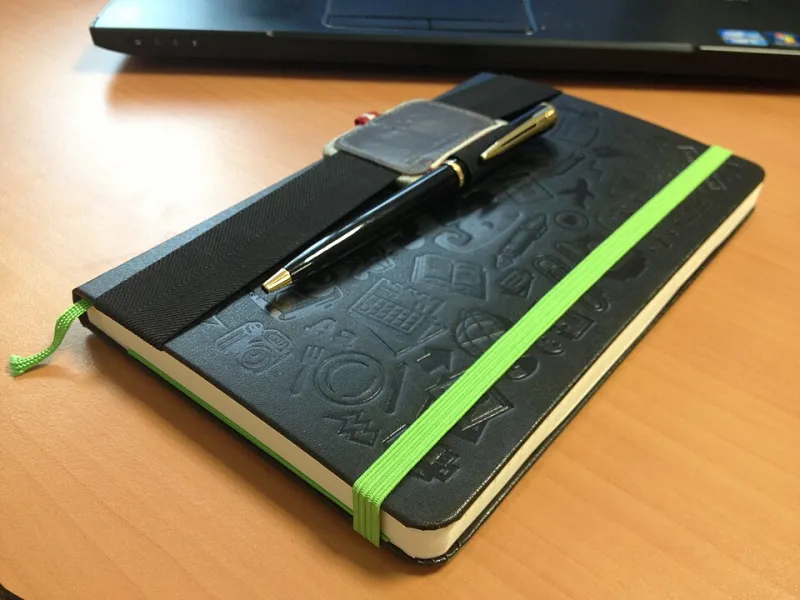
Photo: Guy Sie from Utrecht, Netherlands, CC BY-SA 2.0, via Wikimedia Commons
There's a specific kind of loss that stings more than getting outplayed: the one where you show up with perfect general matchup knowledge and get beaten by the same guy, in the same way, for the fourth month in a row. That's not a skill gap. That's a scouting gap.
Tier lists are national averages. Your local is not a national average. Your local is nine people, one of whom plays the same character as you, three of whom only know one combo route, and one who is quietly better than everyone and won't tell you why. Learn them like a coach learns an opponent, and your results will move faster than another month of training mode ever could.
Here's a system that fits in a phone note.
1. Profile the player, not the character
Newer players build their prep around characters. "I need to learn the matchup against X." Useful, but incomplete. The same character plays completely differently in two different hands, and at locals you see the same hands over and over.
So write the person down. Name or handle, main, Kameo (or variation), and one line about how they actually play. "Pushes forward after every blocked poke." "Never techs throws on wake-up." "Will always spend meter for a kill combo, never for defense." Three lines beats a page.
2. Track the Kameo separately
In MK1 this is where half the real information lives. Two players with the same main and different partners are different opponents. Note which assist they lean on when they're nervous, which one covers their wake-up, and which one they call the instant they get a knockdown. That single pattern often tells you more than the main itself.
3. Log the first ten seconds
Every player has an opening script. Some walk backward and wait. Some open with a jump-in every round one. Some throw a projectile at round start as a reflex, not a decision.
Write it down once and it's free information for the rest of your life. Round-one openings are the most repeated behavior in fighting games because nobody thinks of them as a choice. You get a read before the announcer finishes talking.
4. Note what happens at 20 percent health
Pressure changes people. Some players get conservative and start blocking everything. Some go full aggression and start gambling on armor. Some start fishing for the same one move that won them a round last month.
Whatever they do at low health, they'll do again. Write down the pattern, and then build a plan that punishes it specifically. If they turtle at low health, you don't need a mixup — you need a throw and a command grab and thirty seconds of patience.
5. Record their defaults, not their highlights
Everybody has a default anti-air, a default wake-up option, and a default answer to pressure. Defaults matter more than highlights because defaults happen ten times a set and highlights happen once.
Notice the one button they press when they're surprised. Notice what they do after they block a jump-in. Notice whether they tech throws or eat them. Those three data points are worth more than a twelve-page matchup document.
6. Update the file after every set, in three lines
Long notes don't get reread. After each set, add three lines: what worked, what got you killed, what they changed at the end. That last one is the important one. Players adjust in the last game of a set, and whatever adjustment they made is what they'll show up with next week — usually before you're ready for it.
7. Cross-check your read with somebody else
Your notes are biased. If a player beat you badly, you'll remember them as better than they are and over-prepare. If you beat them, you'll under-prepare. Ask someone else in the scene the same question and see if the description matches. Two independent reads is enough to catch the obvious distortions.
8. Convert the notebook into three adjustments
Before the bracket starts, pick three things from your notes and commit to them for the day. Not fifteen. Three. A pre-match adjustment is not "play better." It's specific: "Do not jump at this player, they anti-air everything." "Throw more than usual, they don't tech." "Force them to approach, they get impatient at mid-screen."
Three concrete sentences change how a match feels. A vague plan doesn't survive first contact.
9. Keep the file alive after you stop being scared of them
The moment you start beating a regular consistently, the notes stop being updated, and that's exactly when they lab up an answer to you. Keep tracking. The scene moves whether or not you're watching, and the player who writes things down is usually a step ahead of the one who doesn't.
None of this replaces practice. But the gap between two players of equal execution is almost always information, and information is the cheapest thing in fighting games to acquire. Bring a notebook to your next local. You'll feel the difference by round two.